Where does the phrase breathe?
A breathing point is the musical comma: a small release before the next idea begins.
Guided score practice for musical expression
Get phrase-level guidance on structure, breathing points, dynamics, touch, and practice steps directly on the score, so practice can become interpretation.
Early research prototype for music learners, parents, and teachers.
The gap after the right notes
Many tools can slow down a score, loop a passage, or tell you whether the notes were right. But musical playing asks different questions: where the phrase breathes, where it is going, and how it should feel.
A breathing point is the musical comma: a small release before the next idea begins.
The melody moves, but you are not sure where it is going.
The accompaniment or inner voice can easily cover the musical line.
Timing, touch, and pedal can change the whole meaning of a phrase.
Correct notes are necessary, but they are not the whole performance.
Why this exists
The problem was not only learning the notes. It was learning how a simple piece becomes music.
A few years ago, I began learning classical guitar while my daughter was learning piano. Adults and children often grow in different ways: adults may understand musical ideas quickly, while children can build technical freedom over time.
As we learned more pieces, we both met the same wall. Even when the notes, rhythm, and timing were correct, the music could still sound plain, as if something essential was missing.
The clues came from the background of a piece, its emotion, and the way great performers shaped the same score. Often, the moving moments were small: one note held a little longer, a phrase released earlier, the silence between two ideas.
That is why Melosara exists: to explore whether practice can support not only technique, but also understanding, feeling, and interpretation, even for something as simple as a minuet.
What we are testing
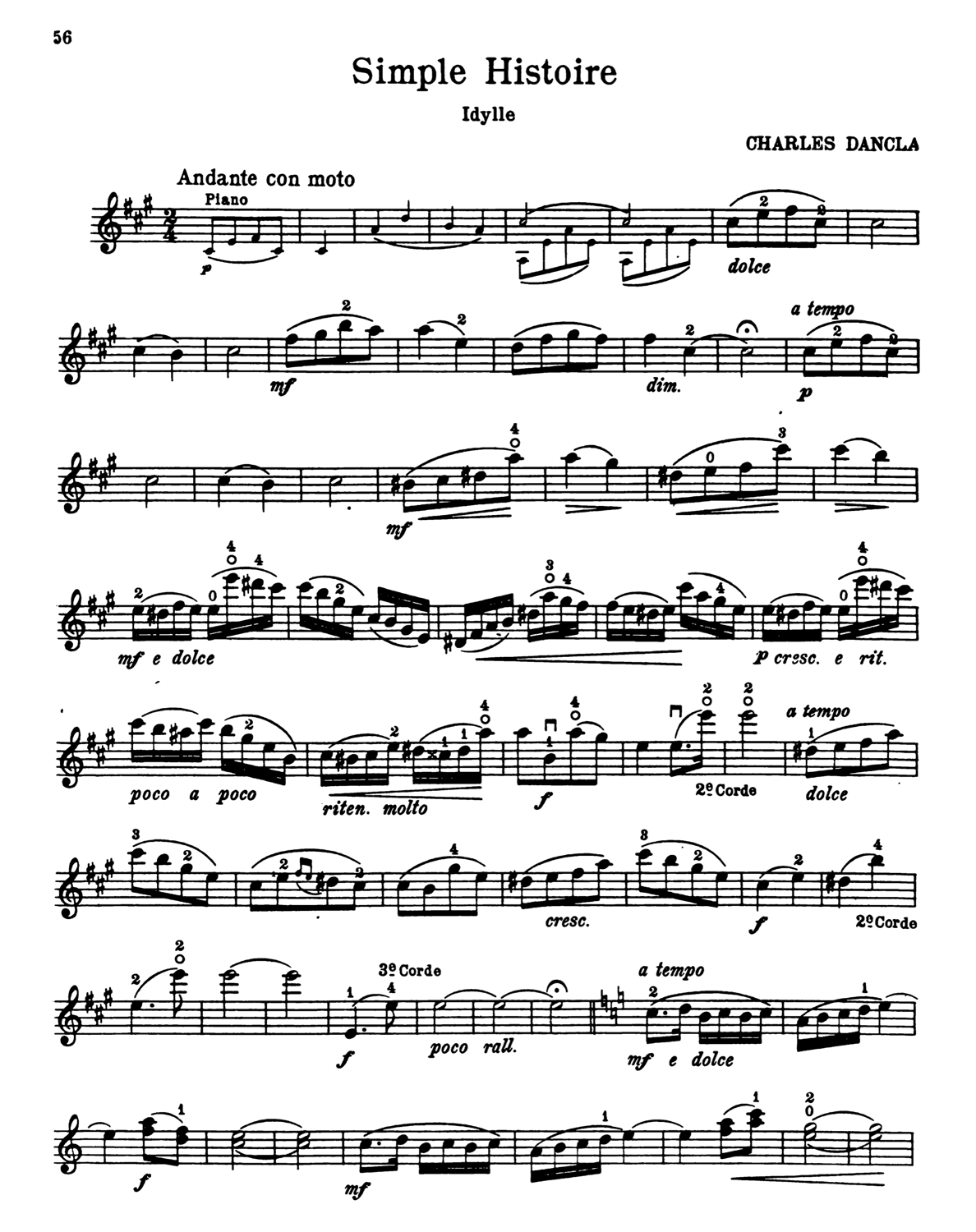
Instead of separating score PDFs, lesson notes, recordings, and practice tools, Melosara tests whether interpretation can sit directly on the passage a learner is practicing.
See the structure, character, destination note, and where an idea needs a breath.
Loop difficult bars, slow them down, and build rhythm stability before speed.
Work on dynamics, timing, touch, balance, and one possible interpretation.
 phrase shape
style words
dynamic motion
fingering
phrase shape
style words
dynamic motion
fingering
A living layer of interpretation
Old scores are full of clues: phrase arcs, fingerings, dynamics, style words, section boundaries, and breath-like releases. They are not decoration. They are how one musician passes a way of hearing to the next.
Our goal is to preserve that knowledge and make it easier to understand, practice, and perform. But interpretation is never one fixed answer. A score should also invite learners, teachers, and performers to share their own reading of the music.
Source: public-domain scan via IMSLPPrototype concept
The first prototype will focus on a few public-domain study pieces. Each guided path separates Practice and Perform: first make the passage stable, then shape the same music with phrasing, timing, touch, and emotional intent.
Early concept preview. We are testing whether learners want guided interpretations before building the full product.
See the form, phrase direction, breath point, character, and what to listen for.
Loop slowly, build rhythm stability, and solve the technical spots that block fluency.
Try dynamics, timing, touch, release, and one possible way to make the phrase speak.
Help shape the first guided pieces
Start with a short 1-minute form. After you submit, you can open a deeper 4-minute survey that we can also send by email later.